Travertine vs. Porcelain Pavers: Which Stays Cooler Barefoot in July?
By We Do Hardscape LLC · ROC 354091 · October 29, 2026 · 6 min read
Neither material is universally cooler. Compare the actual outdoor-rated products, their color and finish, and shade where your family will use them.
Neither travertine nor porcelain pavers can be called universally cooler barefoot in July without a measured comparison of the specific products under comparable conditions. We do not have that comparison, so we would not promise that one material always beats the other. For a Phoenix-area patio or pool deck, the useful question is narrower: how will these particular outdoor-rated products perform in your yard, with your sun exposure, shade, and daily routine? Material matters, but so do color, finish, installation, and timing. A good selection process considers all of those factors rather than treating a material name as a comfort guarantee.
Why the material name does not settle the heat question
Travertine is natural stone, while porcelain pavers are manufactured products. Those categories describe important differences, but they do not tell us exactly how hot every available surface will become. Each category includes different colors, finishes, and product characteristics. Comparing one pale travertine sample with one dark porcelain sample would not establish a rule for every product in either group. Surface temperature also differs from the weather report. A sunny patio can feel very different from shaded paving nearby, even when both share the same outdoor air temperature. The time spent in direct sunlight and the way the surface exchanges heat with its surroundings affect the result. We separate product facts from broad sales claims. A statement that a surface is suitable for outdoor installation is not a statement that it stays comfortable barefoot throughout a Phoenix summer. Likewise, a product described as cool should come with a clear explanation of what was tested, against what alternative, and under which conditions.
Color, shade, and exposure deserve equal attention
Lighter colors generally reflect more incoming sunlight than darker colors, making color an important starting point. That does not mean every light product will outperform every darker alternative. Finish, product composition, and the conditions around the installation still matter. We would use color to narrow the choices, not to make a universal temperature promise. Shade deserves its own place in the design conversation. A covered sitting area and an exposed pool edge serve different purposes and experience different conditions. Look at where shade falls during the hours your family actually uses the yard. Morning shade is not the same as afternoon protection, and seasonal changes can alter the pattern. Reflected sunlight from nearby surfaces may also affect exposure. Instead of choosing a material first and treating comfort as settled, map the walking routes, seating areas, and sunniest zones together. Sometimes a change in shade coverage offers a more useful comfort improvement than switching between two otherwise suitable paving products.
Compare actual outdoor-rated products in realistic conditions
Start with the exact products being considered, including their color, finish, and intended installation method. A showroom sample or a photograph cannot reproduce a finished outdoor surface. Ask for manufacturer documentation confirming suitability for the proposed exterior application, especially around a pool or another frequently wet area. Do not assume an indoor porcelain tile represents an outdoor porcelain paver. Where practical, compare installed examples with similar sunlight exposure during the hours that matter to you. A small loose sample can help with appearance, but its heat behavior may not represent a completed assembly. Existing installations are more informative when the products and conditions are clearly identified. If temperatures are measured, use a consistent method and record the conditions. Different instruments and surface finishes can complicate comparisons, so an isolated reading is not a universal ranking. Do not test comfort by standing barefoot on a potentially hot surface. Keep footwear available and treat any comparison as specific to the products and circumstances observed.
Barefoot comfort is only one part of pool-deck suitability
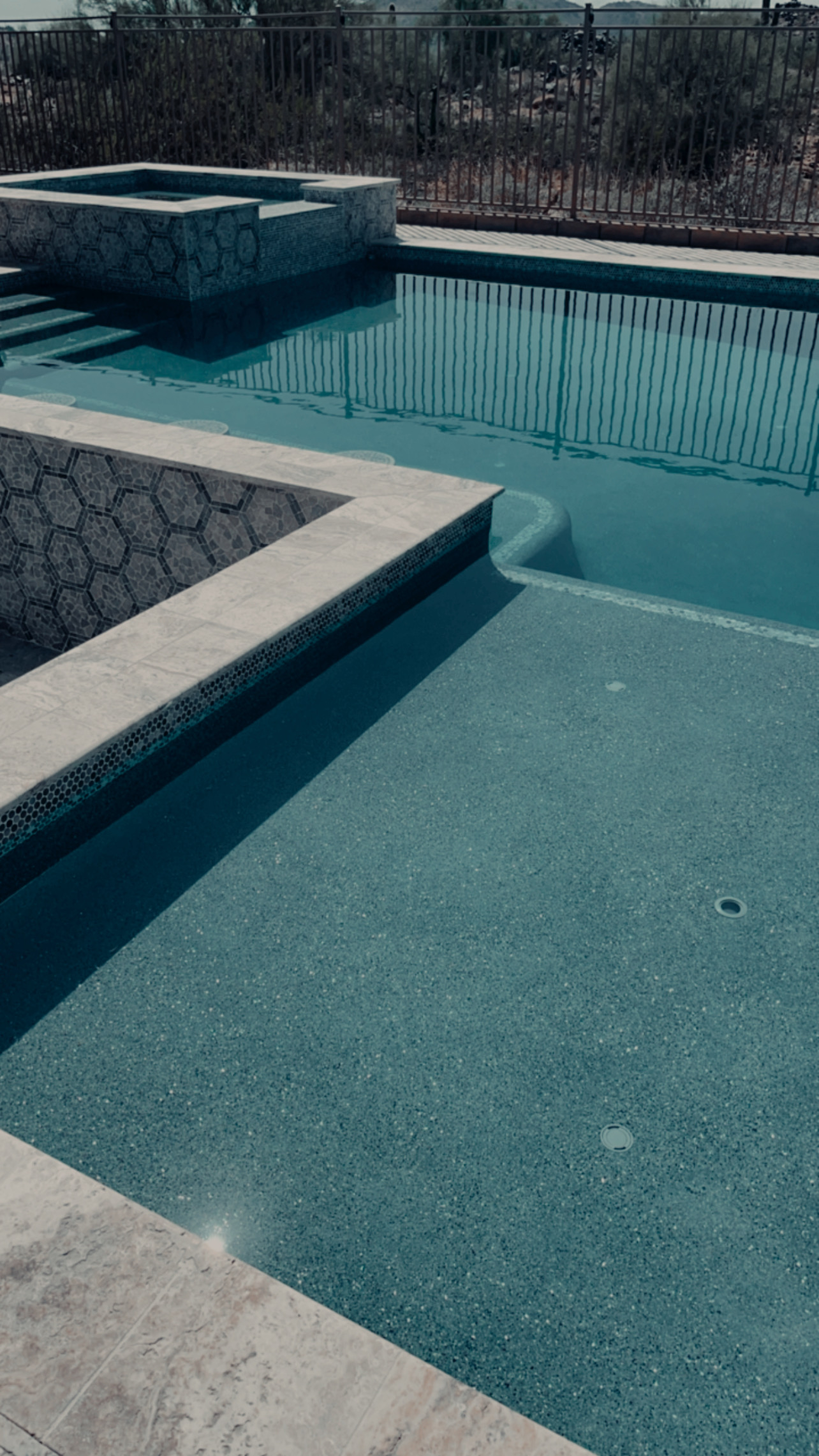
Heat matters, but it should not crowd out wet-surface traction, drainage, maintenance, and installation requirements. A surface that looks appealing in a dry display may behave differently when wet. Review product-specific information for the intended use rather than assuming every textured finish provides the same footing or that every smooth finish is appropriate beside a pool. Travertine selection should consider the actual stone, its finish, and the care instructions associated with it. Porcelain selection should consider the exact outdoor product and its installation requirements. Neither category eliminates the need for a suitable supporting assembly, thoughtful transitions, or a drainage plan. We also look at how people will move through the space. Pool exits, steps, doorways, and routes to shaded seating deserve attention. A coordinated layout can reduce awkward transitions and make the yard easier to use. The goal is not simply to identify the cooler sample. It is to choose a complete outdoor surface that fits the household and the site.
Make the decision around your yard, not a blanket claim
A useful comparison starts with a short list of specific products and a clear description of where they will go. Identify the areas that receive prolonged sun, the spaces protected by a roof or shade structure, and the routes people are most likely to use barefoot. Then compare appearance, outdoor suitability, care requirements, installation needs, and available evidence about heat. Ask anyone making a cooler-surface claim whether it comes from measurements of those exact products. If the answer is a general impression or a comparison involving different colors and exposures, keep that limitation visible. It may still be useful feedback, but it is not proof that one material category always stays cooler. Our recommendation is to choose with realistic expectations. Both travertine and porcelain can become uncomfortable in direct summer sun. Plan shade where practical, keep footwear accessible, and evaluate actual installed outdoor-rated products before committing. An honest discussion of those tradeoffs is more valuable than an absolute promise about barefoot comfort.
Frequently asked questions
Is travertine always cooler than porcelain pavers?
No. We do not have a measured comparison of the specific products under matching conditions that would support that claim. Color, finish, sunlight, shade, and the installed assembly can affect the outcome. Compare the exact outdoor-rated products you are considering, and treat a favorable result as evidence about that comparison rather than a rule for every travertine or porcelain surface.
Will choosing a light color make the patio safe barefoot?
A lighter color can be helpful, but it does not guarantee barefoot safety or comfort. Prolonged direct sunlight can still make light paving uncomfortable. Consider shade coverage, the hours you use the yard, and access to footwear. A color choice should be part of a broader heat-conscious design, not a substitute for checking conditions before walking on the surface.
Can we compare products with samples in the backyard?
Samples are useful for checking color and finish in your own light, but small loose pieces may not behave like a completed patio. Whenever possible, also inspect installed examples of the exact products under comparable outdoor conditions. Avoid barefoot testing on potentially hot surfaces. Any temperature comparison should use a consistent method and document sunlight, timing, and other relevant conditions.
What should we request before choosing a pool-deck product?
Request the exact product identification, confirmation of suitability for the proposed outdoor and poolside use, installation requirements, and maintenance guidance. Ask how wet-surface traction and drainage are being addressed. If someone claims a product stays cooler, request the basis for that statement. Shade planning and realistic expectations belong in the discussion alongside the material, color, and finish.